Un répertoire de 78 cartes
Cartes de tarot
Toutes les cartes du jeu que Pamela Colman Smith a dessiné pour l’édition de décembre 1909, avec ce qu’Arthur Edward Waite en a écrit en 1911, cité et non réécrit.
Cherchez dans tout le jeu ci-dessous par le nom d’une carte, par sa couleur ou par un mot employé par Waite : ses significations sont également indexées, si bien que « love » trouve les cartes qu’il a glosées ainsi, et pas seulement The Lovers.
Les noms des cartes et les significations de Waite sont cités en anglais, tels qu’il les a écrits.
La recherche nécessite JavaScript. Sans lui, la liste complète reste ci-dessous et chaque couleur a sa propre page : wands, cups, swords, pentacles.
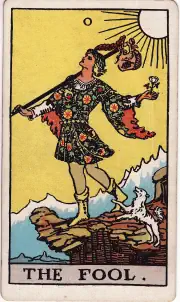 The Fool0
Folly, mania, extravagance, intoxication…
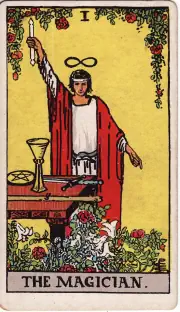 The MagicianI
Skill, diplomacy, address, subtlety
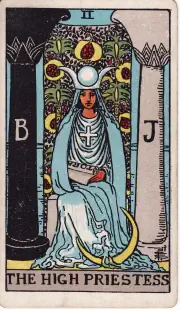 The High PriestessII
Secrets, mystery, the future as yet unrevealed
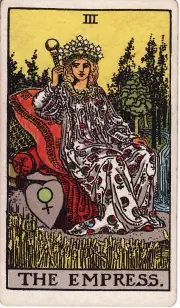 The EmpressIII
Fruitfulness, action, initiative, length of days
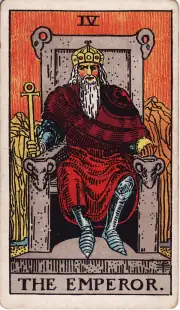 The EmperorIV
Stability, power, protection, realization
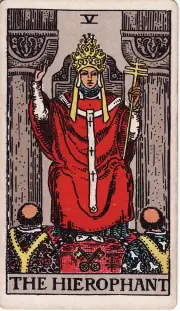 The HierophantV
Marriage, alliance, captivity, servitude
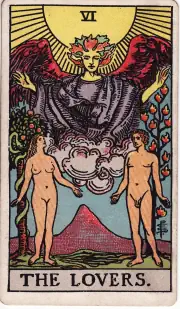 The LoversVI
Attraction, love, beauty, trials overcome
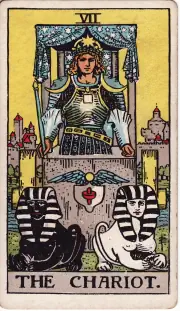 The ChariotVII
Succour, providence
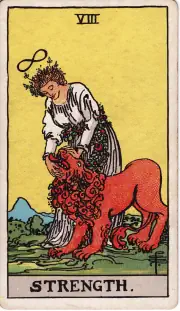 StrengthVIII
Power, energy, action, courage, magnanimity
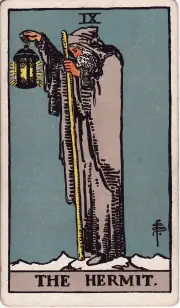 The HermitIX
Prudence, circumspection
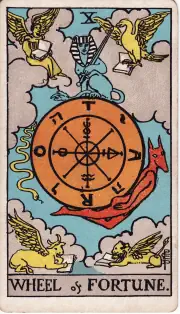 Wheel of FortuneX
Destiny, fortune, success, elevation, luck…
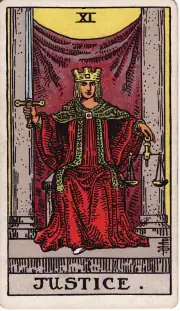 JusticeXI
Equity, rightness, probity, executive
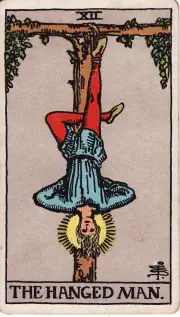 The Hanged ManXII
Wisdom, circumspection, discernment, trials…
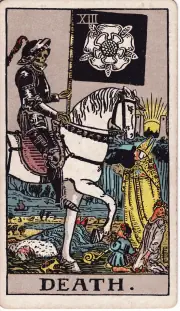 DeathXIII
End, mortality, destruction, corruption
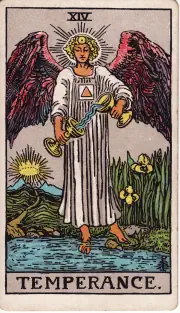 TemperanceXIV
Economy, moderation, frugality, management…
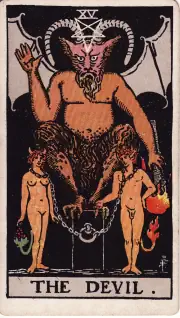 The DevilXV
Ravage, violence, vehemence…
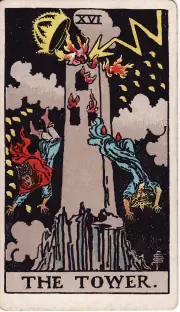 The TowerXVI
Misery, distress, indigence, adversity, calamity…
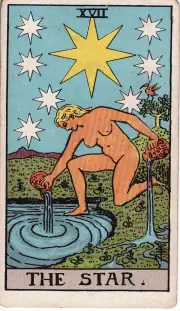 The StarXVII
Loss, theft, privation, abandonment
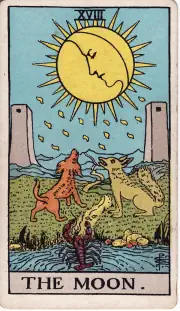 The MoonXVIII
Hidden enemies, danger, calumny, darkness, terror…
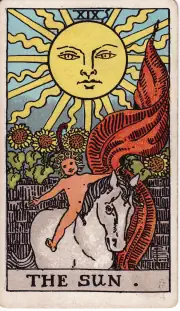 The SunXIX
Material happiness, fortunate marriage…
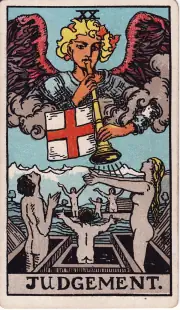 JudgementXX
Change of position, renewal, outcome
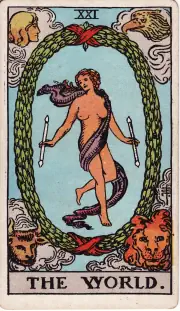 The WorldXXI
Assured success, recompense, voyage, route…
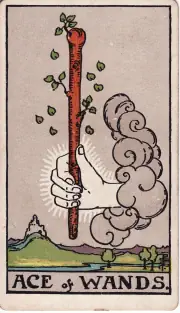 Ace of Wandswands
Creation, invention, enterprise…
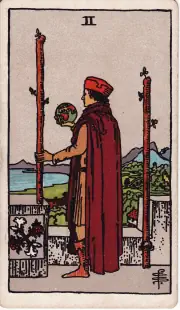 Two of Wandswands
…on the one hand, riches, fortune, magnificence
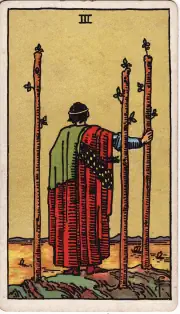 Three of Wandswands
He symbolizes established strength, enterprise…
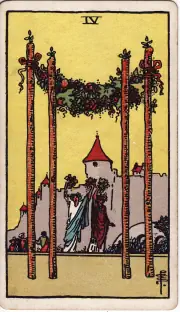 Four of Wandswands
They are for once almost on the surface…
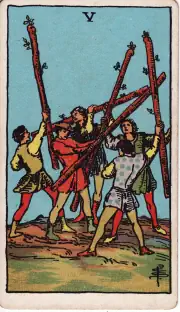 Five of Wandswands
Imitation, as, for example, sham fight…
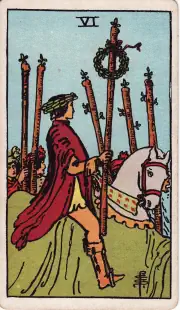 Six of Wandswands
…on the surface, it is a victor triumphing…
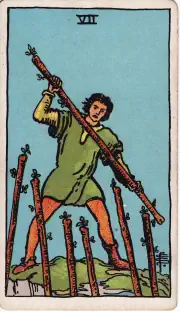 Seven of Wandswands
It is a card of valour…
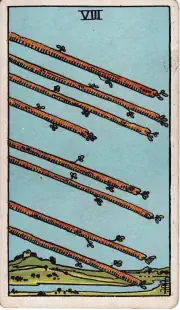 Eight of Wandswands
Activity in undertakings…
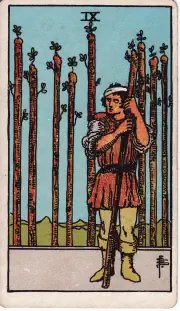 Nine of Wandswands
The card signifies strength in opposition
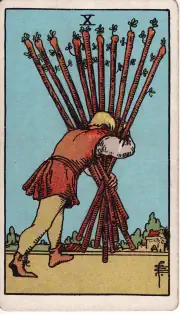 Ten of Wandswands
A card of many significances…
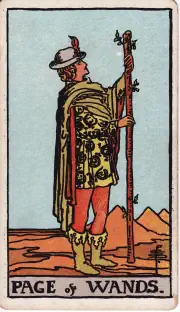 Page of Wandswands
Dark young man, faithful, a lover, an envoy…
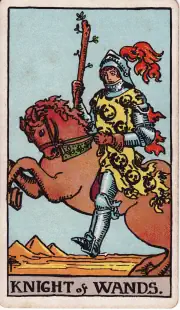 Knight of Wandswands
Departure, absence, flight, emigration
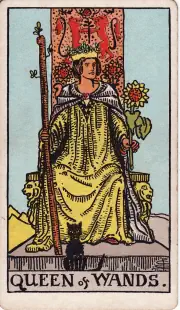 Queen of Wandswands
A dark woman, countrywoman, friendly, chaste…
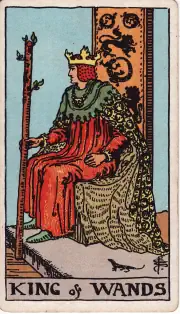 King of Wandswands
Dark man, friendly, countryman, generally married…
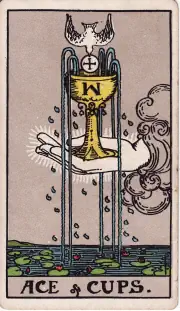 Ace of Cupscups
House of the true heart, joy, content, abode…
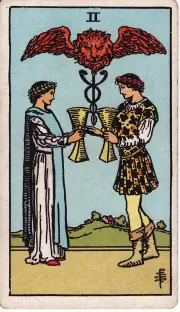 Two of Cupscups
Love, passion, friendship, affinity, union…
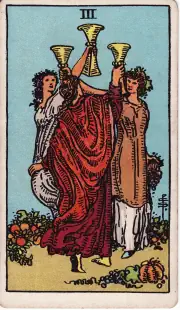 Three of Cupscups
The conclusion of any matter in plenty…
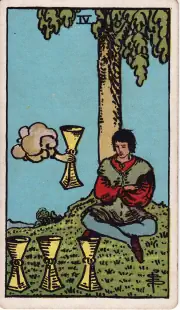 Four of Cupscups
Weariness, disgust, aversion, imaginary vexations…
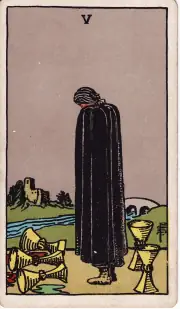 Five of Cupscups
It is a card of loss, but something remains over
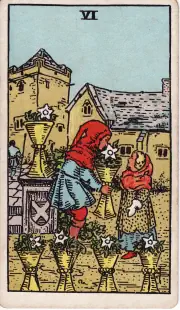 Six of Cupscups
A card of the past and of memories, looking back…
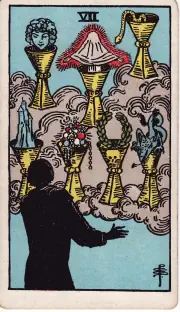 Seven of Cupscups
Fairy favours, images of reflection, sentiment…
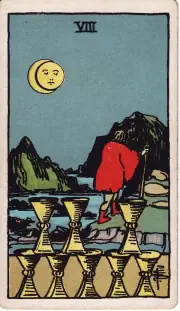 Eight of Cupscups
The card speaks for itself on the surface…
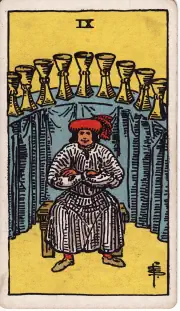 Nine of Cupscups
Concord, contentment, physical bien-être
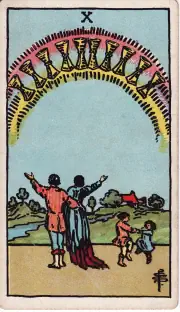 Ten of Cupscups
Contentment, repose of the entire heart
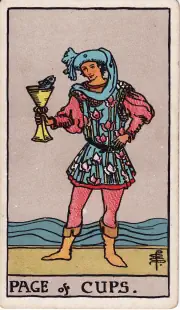 Page of Cupscups
Fair young man…
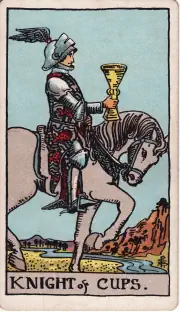 Knight of Cupscups
Arrival, approach—sometimes that of a messenger
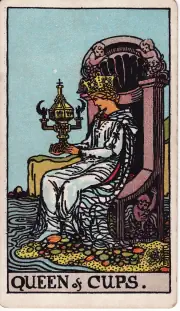 Queen of Cupscups
Good, fair woman
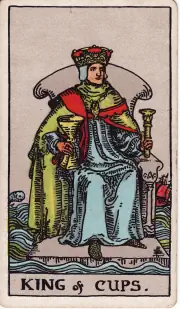 King of Cupscups
Fair man, man of business, law, or divinity
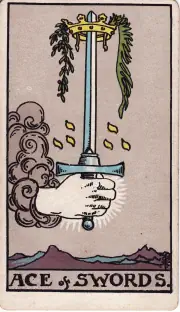 Ace of Swordsswords
Triumph, the excessive degree in everything…
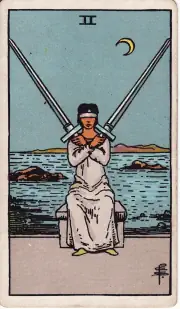 Two of Swordsswords
Conformity and the equipoise which it suggests…
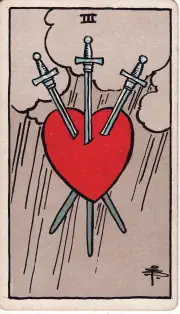 Three of Swordsswords
Removal, absence, delay, division, rupture…
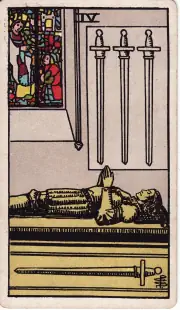 Four of Swordsswords
Vigilance, retreat, solitude, hermit's repose…
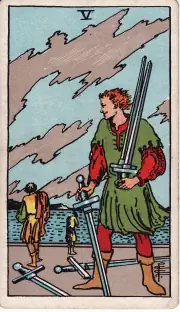 Five of Swordsswords
Degradation, destruction, revocation, infamy…
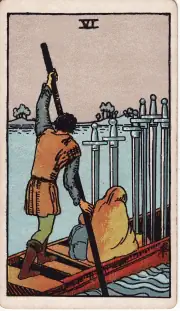 Six of Swordsswords
Journey by water, route, way, envoy…
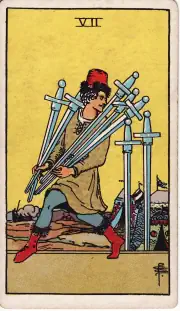 Seven of Swordsswords
Design, attempt, wish, hope, confidence
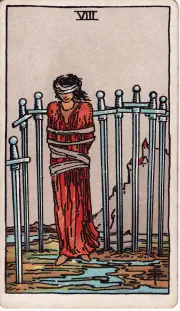 Eight of Swordsswords
Bad news, violent chagrin, crisis, censure…
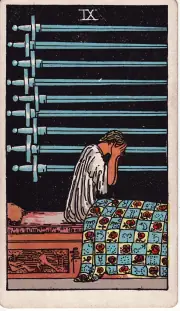 Nine of Swordsswords
Death, failure, miscarriage, delay, deception…
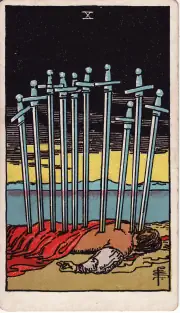 Ten of Swordsswords
Whatsoever is intimated by the design
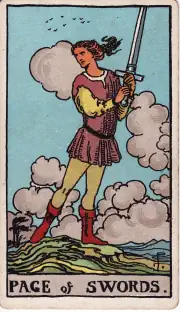 Page of Swordsswords
Authority, overseeing, secret service, vigilance…
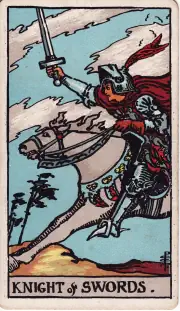 Knight of Swordsswords
Skill, bravery, capacity, defence, address…
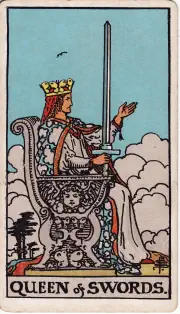 Queen of Swordsswords
Widowhood, female sadness and embarrassment…
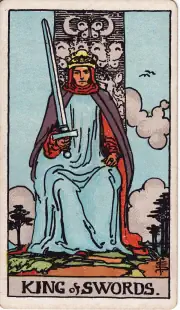 King of Swordsswords
…power, command, authority, militant intelligence…
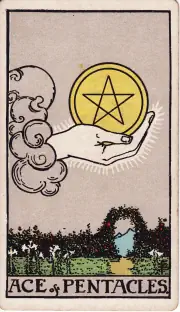 Ace of Pentaclespentacles
Perfect contentment, felicity, ecstasy
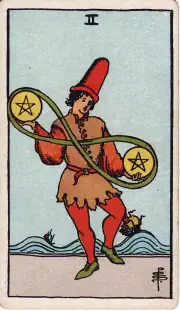 Two of Pentaclespentacles
…a card of gaiety, recreation and its connexions…
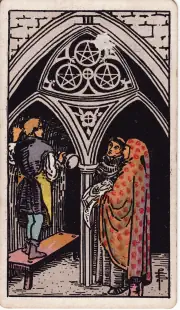 Three of Pentaclespentacles
Métier, trade, skilled labour
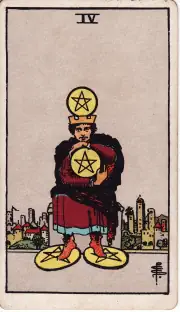 Four of Pentaclespentacles
The surety of possessions…
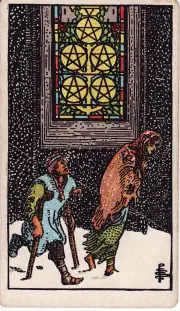 Five of Pentaclespentacles
The card foretells material trouble above all…
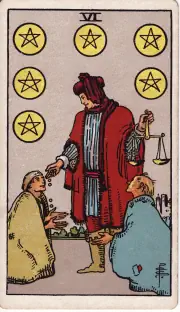 Six of Pentaclespentacles
Presents, gifts, gratification
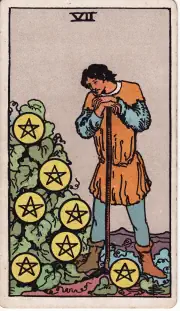 Seven of Pentaclespentacles
These are exceedingly contradictory
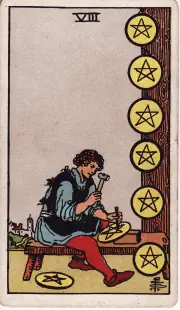 Eight of Pentaclespentacles
Work, employment, commission, craftsmanship…
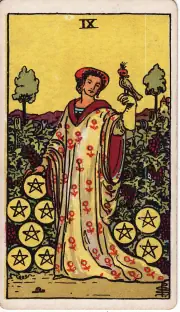 Nine of Pentaclespentacles
Prudence, safety, success, accomplishment…
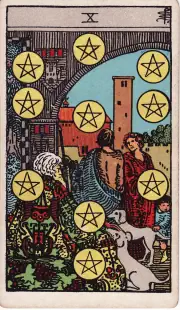 Ten of Pentaclespentacles
Gain, riches
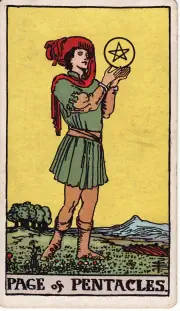 Page of Pentaclespentacles
Application, study, scholarship, reflection
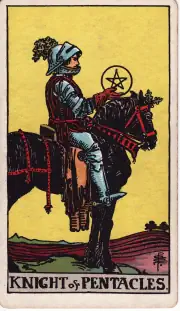 Knight of Pentaclespentacles
Utility, serviceableness, interest…
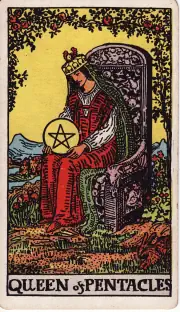 Queen of Pentaclespentacles
Opulence, generosity, magnificence, security…
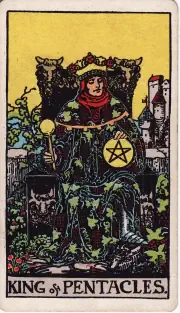 King of Pentaclespentacles
Valour, realizing intelligence…
Aucune carte ne correspond. Le vocabulaire de Waite est édouardien et plus étroit qu’on ne l’imagine — essayez , ou .
Significations citées d’après A. E. Waite, The Pictorial Key to the Tarot, 1911. Chaque entrée montre le début de sa signification divinatoire — ou, pour les quelques cartes dont le début est trop long pour une liste, un passage pris plus loin, avec des points de suspension là où des mots sont omis. La page de la carte la donne en entier, avec sa signification renversée et sa description de l’image.
Parcourir par couleur
Les quatre couleurs des arcanes mineurs correspondent au trèfle, au cœur, au pique et au carreau, mais n’en sont pas les ancêtres. Le tarot et le jeu ordinaire ont un ancêtre commun : les cartes à quatre couleurs déjà en usage en Europe avant l’invention du tarot. Les honneurs avaient toujours montré des personnages ; l’innovation de Smith fut de dessiner aussi une scène sur chacune des quarante cartes numérales, que les jeux d’usage courant imprimaient comme de simples agencements de signes. Quelques jeux plus anciens l’avaient déjà fait, dont le Sola Busca, vers 1490, mais c’est le sien qui l’a rendu habituel — c’est la principale raison pour laquelle c’est ce jeu, et non un plus ancien, que la plupart des gens ont en tête.
D’où viennent les illustrations
Le jeu a été dessiné par Pamela Colman Smith sous la direction de Waite et publié par William Rider & Son à Londres en décembre 1909. Smith a été payée au forfait, n’a touché aucune redevance, et pendant presque tout le XXe siècle le jeu n’a porté que le nom de Waite et celui de son éditeur. Ces fichiers sont des numérisations de ce premier tirage. Il est dans le domaine public au Royaume-Uni, où il a été publié, et aux États-Unis.
Le fichier source et la licence de chaque carte figurent sur la page des crédits.